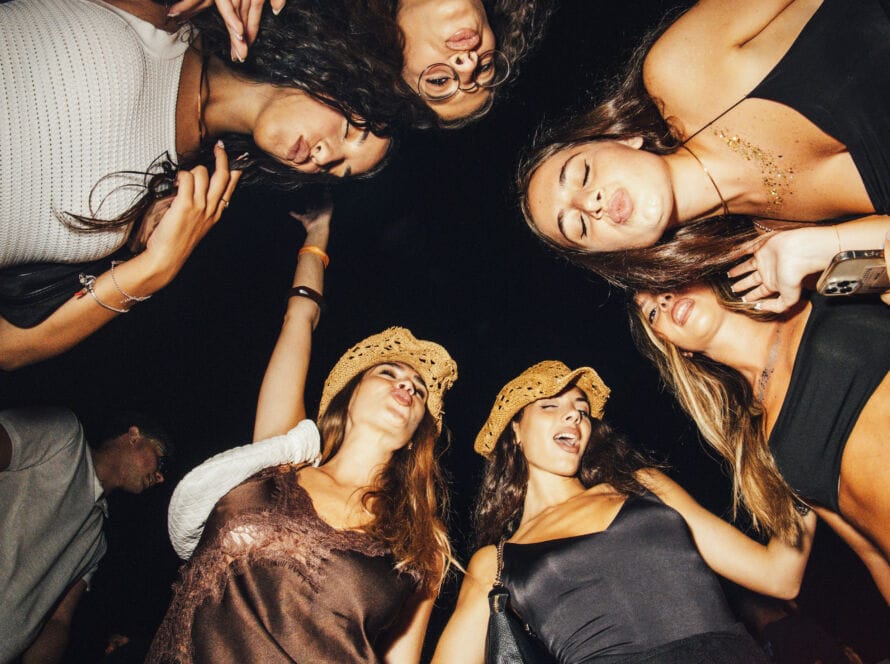
The clubbing has never been just a form of entertainment. It is a culture, a shared language, a way of being together through music. Before it became a global phenomenon and landed in the big electronic music festival, clubbing was born in closed, often marginal spaces, where sound was an instrument of freedom and identity.
Let us look back together at the history of clubbing.
The underground roots of clubbing
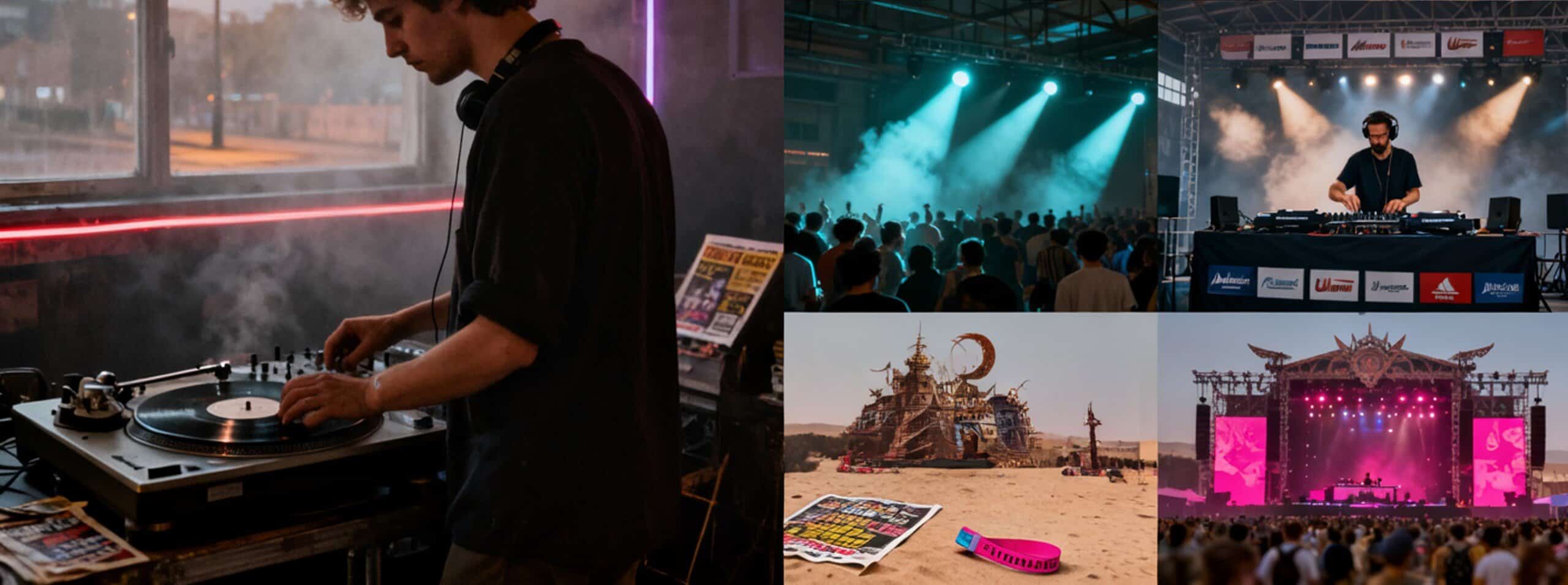
In the late 1970s and early 1980s, in cities like Chicago, Detroit and New York, new electronic sounds were born, destined to change contemporary music forever. The house music and the techno take shape within iconic clubs, protected and inclusive places where the dance floor becomes a space for free expression. In these contexts, the DJ assumes a central role: he is not just the one who puts on the records, but the one who drives a collective experience. Clubbing is thus born as night ritual, intimate and powerful at the same time.
The global explosion of club culture
In the 1990s, clubbing moved out of the American borders and quickly spread to Europe. Berlin, London and Ibiza become new capitals of electronic nightlife, while the rave culture takes music out of the clubs, into industrial spaces, warehouses, temporary locations. Electronic music becomes a global phenomenon, the audience grows and club culture is transformed into a recognisable cultural movement of sounds, aesthetics and a sense of belonging.
The birth of the first electronic music festivals
The first electronic music festival were not born as mainstream events, but as a natural extension of club and rave culture. At the beginning of the 1990s, the growing popularity of house and techno led the public to seek larger, free and temporary spaces capable of accommodating an ever-widening community.
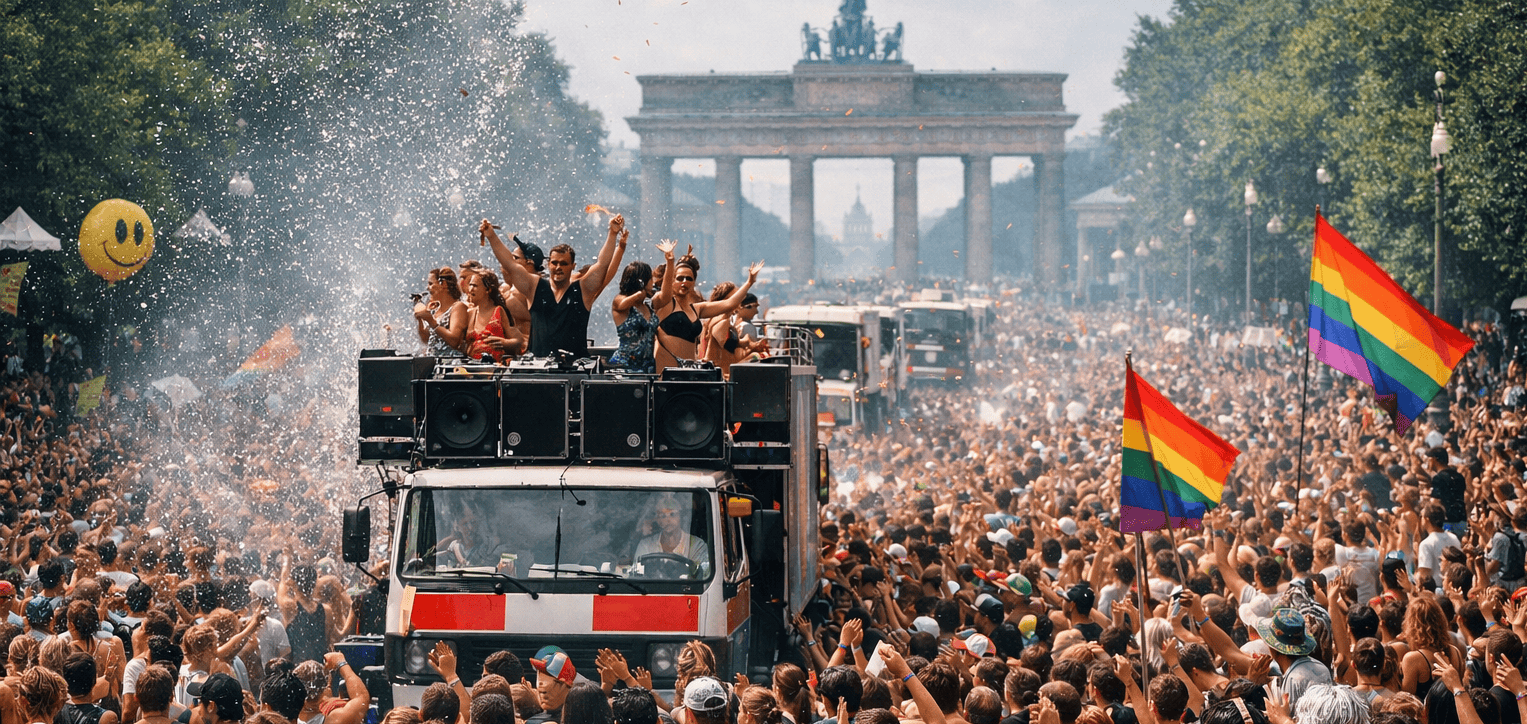
One of the first examples is Love Parade, which started in Berlin in 1989. More than a festival, it was a cultural event: a musical procession through the city celebrating freedom, unity and electronic music. Love Parade marks a historic moment because it brings clubbing into the public space, turning electronic music into a visible and shared social phenomenon.
In the same years, in the UK, the rave culture generates often unofficial outdoor events, organised in fields, warehouses or industrial areas. From this context was born in 1997 Creamfields, one of the first festivals to give electronic music a professional structure, while maintaining the club spirit. Creamfields introduced the concept of a curated line-up, dedicated stages and a precise musical identity, becoming a European reference.
The 2000s: the electronic festival takes shape
As we enter the 2000s, electronic music festivals begin to define themselves as we know them today. In the Netherlands, the Awakenings, a festival entirely dedicated to techno, bringing the minimal, industrial club aesthetic to a monumental scale. Awakenings proves that a festival can be niche, consistent and deeply connected to dancefloor culture.
In the United States, in 1999, the Ultra Music Festival in Miami. Ultra marks a fundamental step: electronic music enters the circuit of major international events, with impressive productions, global sponsors and a strong media component. The DJ becomes headliner and the festival takes on a global dimension.
Experiential evolution: beyond music
In parallel, alternative models emerge such as Burning Man, born in 1986 in the Nevada desert. Here, electronic music is not the sole protagonist, but part of a broader artistic and cultural ecosystem. Burning Man profoundly influences the concept of the experiential festival, where art, community and active participation are central.
In 2005, in Belgium, the Tomorrowland, which marks a further evolution. Tomorrowland transforms the festival into a total narrative experience: monumental sets, visual storytelling and a strong international identity. It is the point where clubbing, now global, meets large-scale entertainment.
From clubbing to contemporary festivals
All these festivals, although different from each other, arise from the same need: taking the club spirit beyond the walls, amplifying the connection between music and people. Over time, the festival format has evolved, but has retained the legacy of club culture: the centrality of the DJ, the value of the dancefloor and the collective experience as a key element.
It is from this path that contemporary electronic music festivals are born: events that combine production, cultural identity, art, expression and territory, keeping the original spirit of clubbing alive in an open and shared dimension.