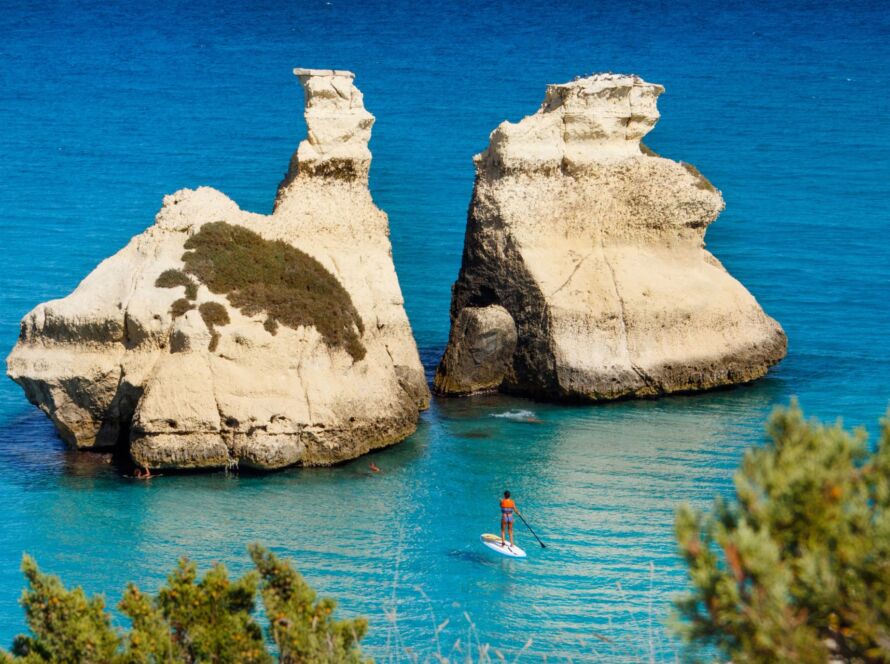
Whether you have come to Apulia for the Panorama Festival, the sea or to dance under the summer sky, there is one thing you should know: music here is not just entertainment. It is part of the history, the landscape and the people.
La Apulian folk tradition is deeply connected to music and dance. In Apulia, and particularly in the Salento region, sound and movement have never been just entertainment: for centuries they have represented a tool for healing, expression and collective liberation. Among them, the taranta and the pizzica have become the most powerful symbol of this musical culture.
We tell you the story of a land that, before stages and festivals, had been dancing for centuries.
Tarantismo: music as therapy
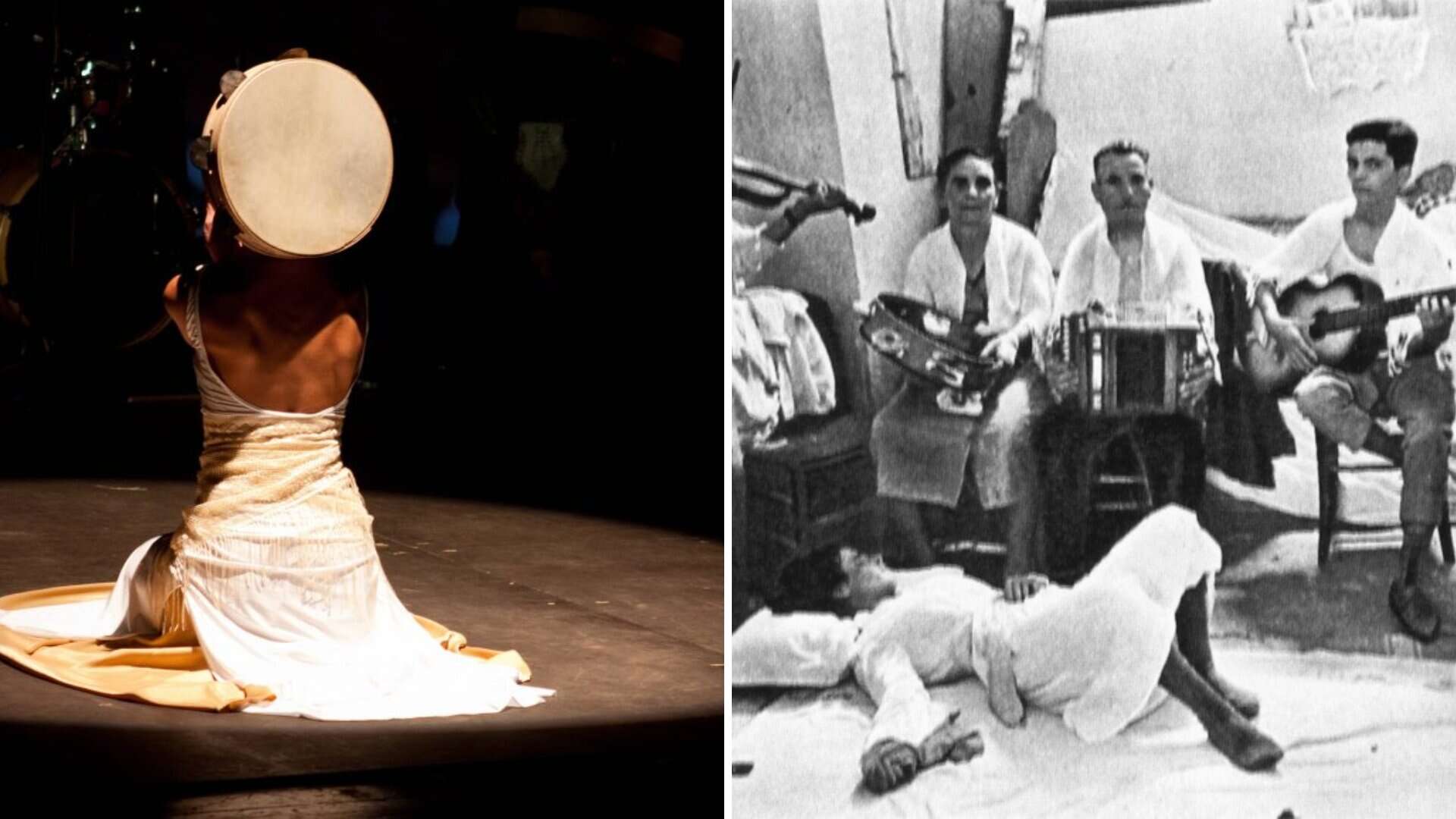
In southern Italy, especially between the Middle Ages and the beginning of the modern age, the phenomenon of the tarantism. According to popular belief, the bite of the tarantula caused women who worked and lived in the fields to suffer severe states of malaise: depression, nervous breakdowns, delirium, physical agitation. The only possible “cure” was music.
Between 900 and 1300 A.D., a real therapeutic ritualto the uninterrupted sound of instruments such as the tambourine, the “pinched” person would dance for hours or days, until exhaustion. Through sweat and movement, it was believed that the poison could be expelled from the body.
But tarantismo was not just a response to an alleged bite. It was also a symbolic space in which to release inner tensions, personal conflicts and social frustrations. Dance became a form of secular exorcism, a time when everything was allowed because it was justified by “illness”.
La taranta did not have a single face. It could be slow or fast, melancholic or rhythmic, it could be joyful and cheerful but also sombre and funereal. From this universe of sonorities arose different expressions of tarantism.
The Salento pizzica: dance, language and identity
Originally linked to healing, the pizzica has transformed over time into festive dance, while retaining its physical and emotional charge.
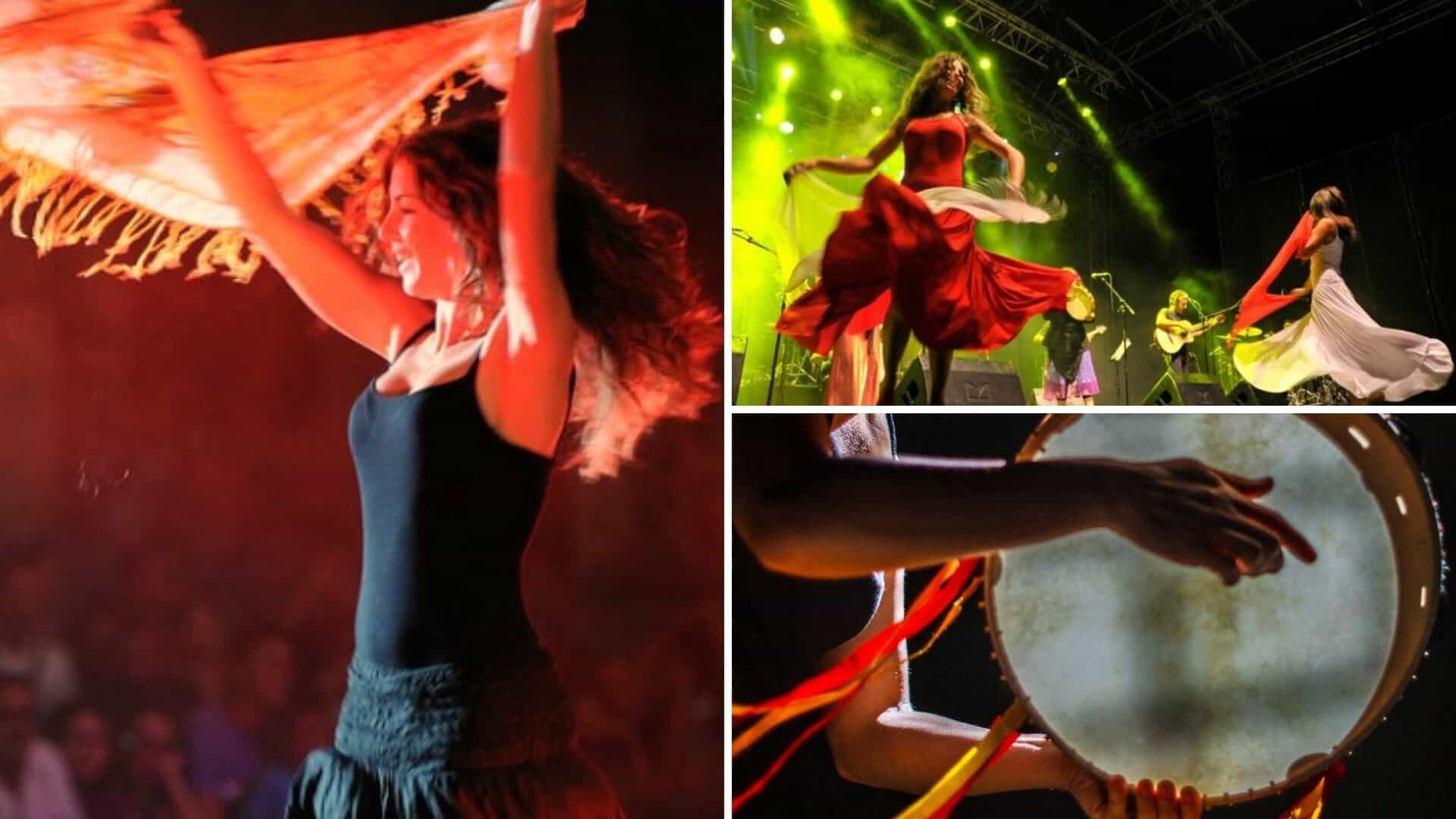
The pizzica is a couple dance, energetic and circular, accompanied by traditional instruments such as tambourine, violin e accordion. The music is accompanied by songs in dialect that preserve a rich linguistic and lexical heritage of the Salento tradition. Today, the pizzica is one of the strongest cultural symbols of the Salento, capable of attracting audiences from all over the world without losing the link with its origins.
Serenades and work songs: the music of everyday life
Alongside the pizzica, the Apulian popular music is also made of serenades e work songs. Serenades accompanied courtship and community moments, while work serenades were born in the fields, in oil mills and by the sea. They recounted daily toil and handed down rural traditions.
Living tradition
Today you might hear the pizzica in a square, at a festival, or mixed with pop and electronic sounds. It is not postcard folklore: it is a living tradition, Understanding this music means understanding Puglia: a land that dances to heal, to celebrate, to be together.