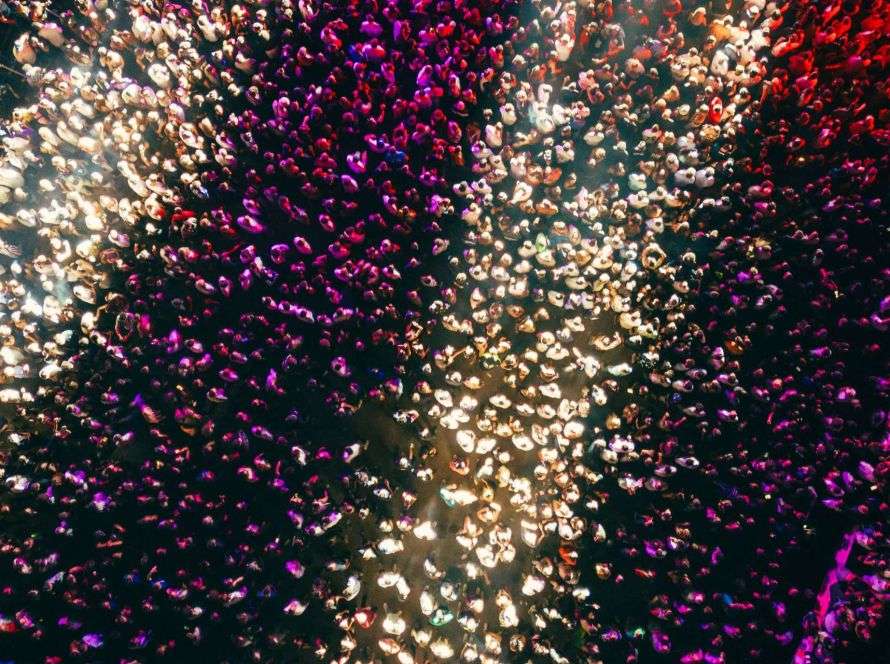
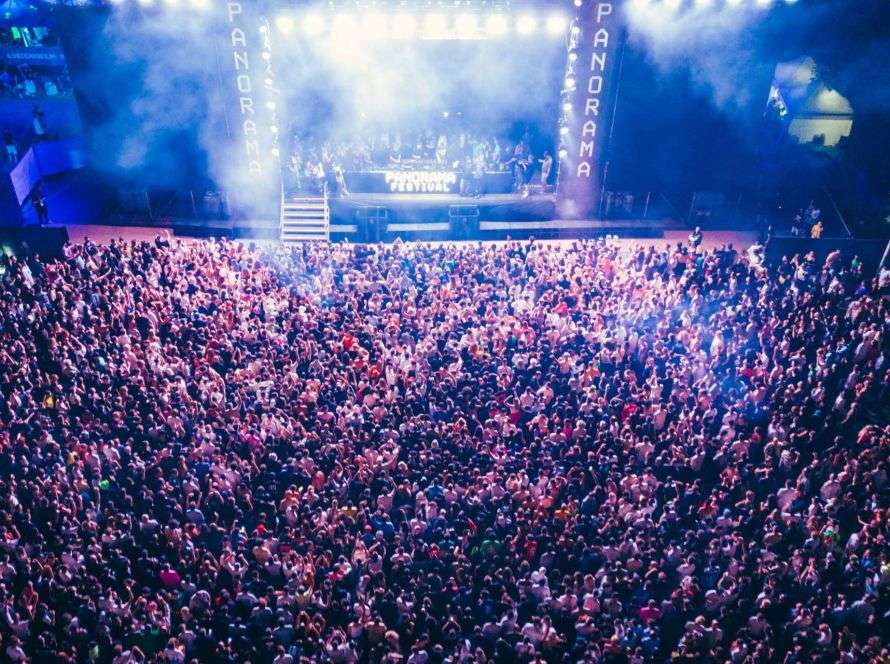
Electronic music festivals are no longer just events, but genuine cultural phenomena capable of fostering new communities of young people. In recent years, these temporary spaces have evolved into social ecosystems where thousands of people come together, share experiences and build a sense of belonging that extends beyond the event itself.
The dancefloor as a contemporary ritual
From a socio-anthropological perspective, the dancefloor can be interpreted as a contemporary ritual. Electronic music becomes a universal language, whilst the rhythm synchronises emotions and behaviours, creating an immediate collective connection. In this context, dancing is not merely an individual act, but a form of participation in a temporary community that identifies with shared values such as freedom, expression and inclusivity.
From a crowd to a community
One of the key elements in building these communities is the shared experience. Festivals offer immersive environments where music, visual art and the local area come together, encouraging spontaneous interactions between people from different backgrounds but with similar interests. This process transforms the crowd into a genuine community, where relationships develop organically and often continue even after the event has ended.
In this context, user-generated content (UGC) plays a central role. Photos, videos and stories shared on social media are not just personal memories, but tools for collective storytelling. Through UGC, participants become storytellers, helping to build and amplify the festival’s identity. This type of content strengthens the sense of belonging and allows the community to extend into the digital space, keeping the experience alive over time.
Why do young people seek out these experiences?
Millennials and Gen Z aren’t just looking for entertainment; they’re seeking authentic experiences and genuine connections. In a world dominated by digital communication, festivals are one of the few settings where connection is physical, direct and immediate, offering a tangible alternative to virtual interaction.
Even after the event has ended, the community continues to thrive. The connections forged, the content shared and the anticipation for future editions fuel a continuous cycle of engagement. It is precisely this continuity that sets contemporary festivals apart: they do not merely entertain, but build lasting relationships and collective identities.
A global tribe united by music
Ultimately, electronic music festivals are now one of the main hubs of cultural life for young people, bringing together people from different backgrounds into a global community united by music, shared experiences and a desire to belong.